

Tools like Lighthouse and PageSpeed Insights give a site an SEO score out of 100. It is tempting to treat that number as a ranking, or to dismiss it as vanity. It is neither. It is a checklist of the technical basics that search engines need before your content can compete at all.
What the score actually checks
- Search engines are allowed to read and index the page
- Every page has a title and a meta description
- Links have descriptive text, not just “click here”
- Images have alt text that describes them
- The page works on a phone and uses legible font sizes
- Language, canonical address and structured data are set correctly
What it does not check
The score cannot judge whether your content answers what people are searching for, whether other sites link to you, or how you compare with competitors. Those decide where you rank. The score decides whether you are in the running.
A high score puts you in the running for page one. A low one can quietly keep you out of it.
Worth knowing
Why it still matters
The technical basics are the cheapest part of SEO to get right, and the most expensive to ignore. A page blocked from indexing, a missing title or a slow mobile layout undoes everything spent on content and marketing.
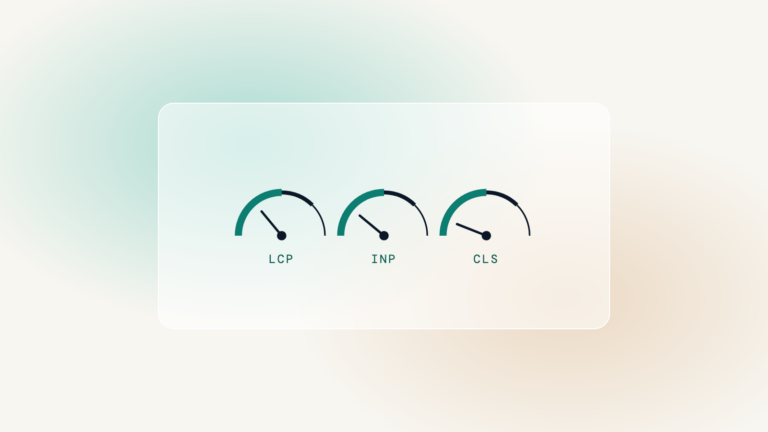
Speed is part of the picture too. Google uses Core Web Vitals, real-world measurements of loading, responsiveness and visual stability, as part of how it assesses page experience.
Where to look
Run your homepage and one key service page through PageSpeed Insights. Anything under 90 for SEO is worth fixing, and it is almost always a one-off fix in how the site was built rather than ongoing work. A free site check from WebRen shows exactly what is holding the score back, and what it would take to put it right.