
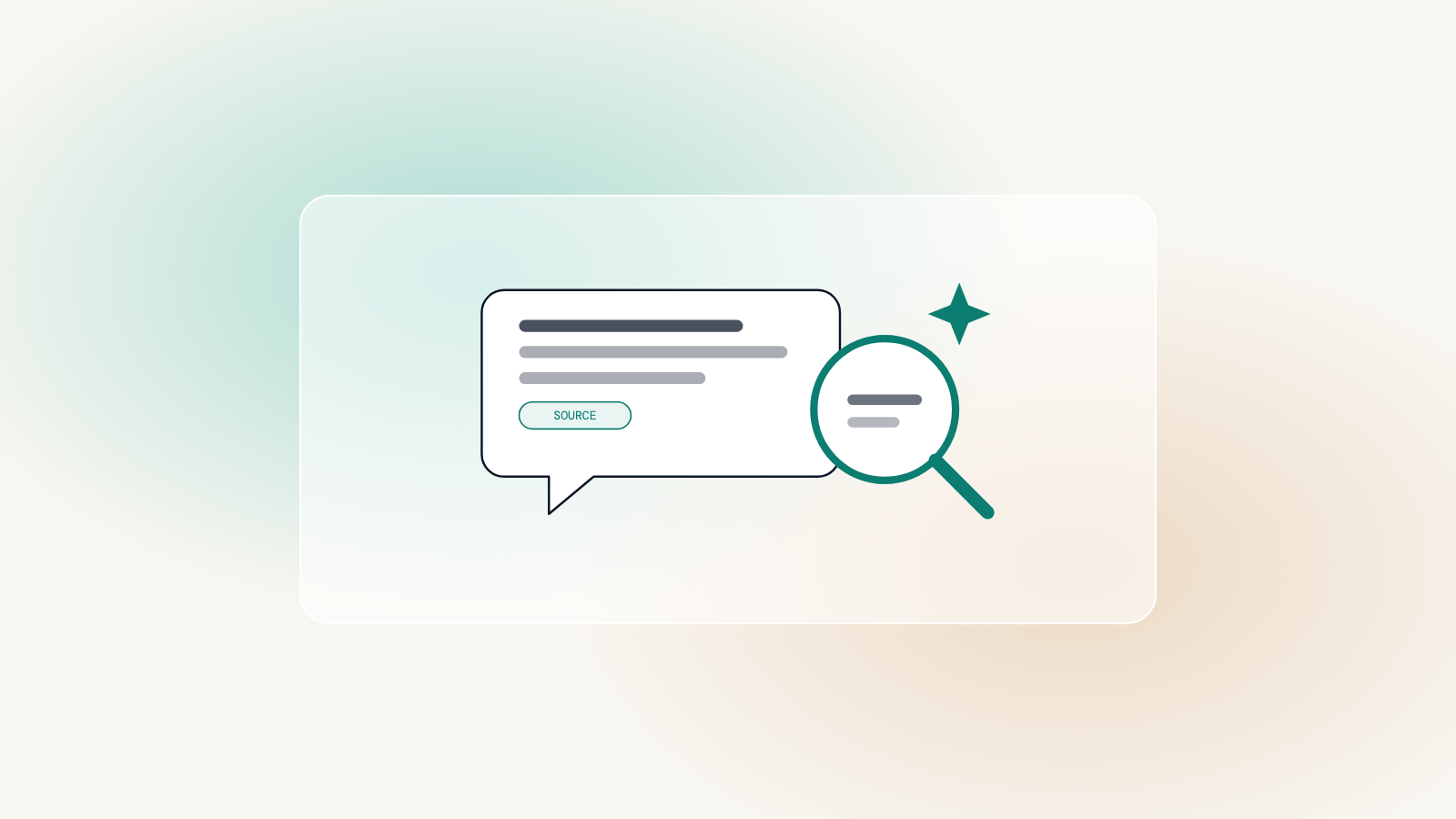
A growing share of searches now end with an AI-written answer rather than a list of links. Google shows AI Overviews above its results, and assistants like ChatGPT and Perplexity answer questions directly, citing the pages they drew from. Being one of those cited sources is the new version of ranking well.
How AI answers choose their sources
AI search tools still depend on the web. They crawl pages, judge which ones answer the question clearly and credibly, and quote or link to them. The pages that get cited tend to share a few qualities.
- They are readable by crawlers, and not blocked in robots.txt
- They answer a specific question plainly, near the top of the page
- They use clear headings that match the questions people ask
- They show who wrote them and why that person or firm is credible
- They use structured data to describe the business, services and people
The same clear, well-structured page that helps a person is the page an AI is most likely to quote.
Worth knowing
What is different from classic SEO
Less than you might think. Good technical SEO, fast pages and genuinely useful content still do most of the work. The difference is emphasis: direct answers, plain language and visible expertise matter more, because an AI is looking for a passage it can trust and repeat.
Some new conventions are emerging too, such as an llms.txt file that points AI tools at a site’s most useful pages. These are early proposals rather than standards, so treat them as a small extra, not the foundation.
A simple place to start
Take the five questions clients ask most often and make sure each has a clear, specific answer on your site, under a heading that uses their words. That helps people, search engines and AI answers all at once.