

Almost every client checks your website before they get in touch, even when they were referred by a friend. In those few minutes they decide whether you look established, whether you help with their problem, and whether contacting you will be easy. The condition of your website is part of that decision, and a dated website counts against you before anyone gets in touch.
What visitors read into a website
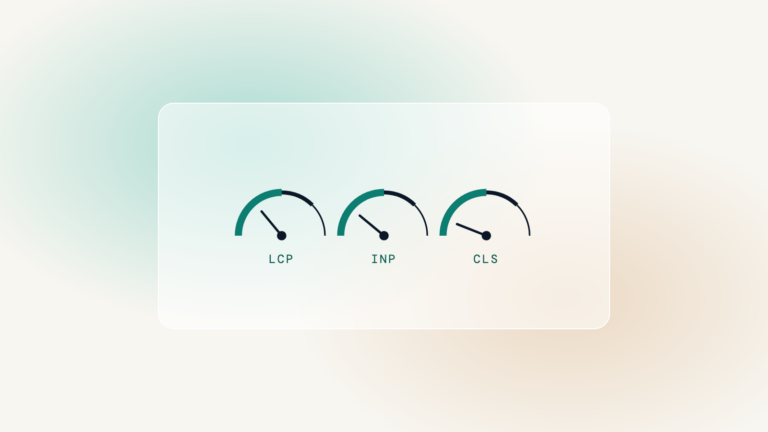
People judge a firm by its website the way they would judge an office by its reception. A site that is slow, broken on a phone or visibly dated raises doubts that have nothing to do with the quality of your work, and doubt is enough to make someone try the next name on the list.
- Slow pages suggest a firm that is behind the times
- Out-of-date team pages and old news suggest nobody is minding things
- A form that fails on mobile suggests the next step will be difficult too
- Unclear services leave people unsure whether you can help at all
Most lost enquiries are invisible. People simply leave and contact someone else.
Worth knowing
How a professional website supports your goals
A well-built site does more than look the part. It works towards the things a growing firm actually needs.
- More of the right enquiries, because visitors quickly understand who you help and how
- Better-prepared clients, because common questions are answered before the first call
- Referrals that convert, because the site confirms what the referrer promised
- Easier hiring, because candidates check your website too
- Less admin, because bookings, documents and updates can be handled through the site
Where to start
Look at your own site on a phone, as a new client would, and try to get in touch. If anything gets in the way, that is costing enquiries today. A free site check shows where your site stands, and whether a few targeted fixes or a rebuild is the right next step.